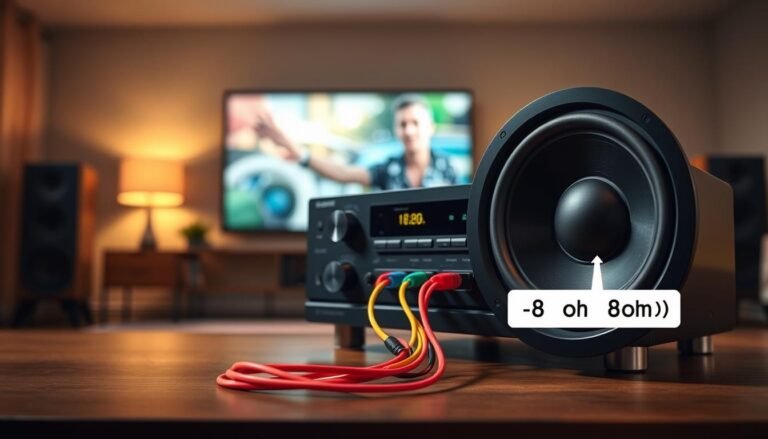
Short answer: purchasing a refurbished audio component can stretch your budget while keeping performance high, but source and protections matter.
Refurbished electronics often appear as returns, demo units, or repaired items. Authorized manufacturers and dealers usually run better tests and offer stronger warranties, often near one year.
Open-box items may feel like new, yet they can lack full inspection or warranty. Discounts commonly fall in the 15–30% range, with outlet sales sometimes pushing discounts deeper.
Receivers make sensible purchases because these devices tend to last long and show durable builds. Still, the wrong seller, an “as is” listing, or a short return window can turn savings into a headache.
This guide will define used, open-box, and refurbished terms, weigh pros and cons, list U.S. shopping options, and show what to check on arrival. Test the unit quickly and read warranty and return policies before committing.
Understanding Used, Open-Box, and Refurbished Receivers
Refurbished units can mean anything from factory-serviced gear to lightly used returns, so details matter.
What “refurbished” really means for home audio electronics
Refurbished typically indicates the unit was tested, cleaned, and repaired if necessary to meet original performance standards. There is no legal definition, so the exact steps can vary by company and manufacturer.
Open-box vs refurbished: key differences that affect your deal
Open-box items are returned packages. Some are barely used, while others were display models. Condition and included accessories often differ, so make sure the listing lists what comes with the box.
How “certified refurbished” programs raise quality and coverage
Manufacturer or certified refurbished programs follow set diagnostics, cosmetic grading, and warranty steps. Brands like Apple and large outlets often offer at least a one-year warranty and verified accessories.
- Verify end-to-end testing (audio channels, HDMI, networking).
- Check included items: remote, calibration mic, antenna, power cord.
- Confirm cosmetic condition and any parts replaced.
Buyer takeaway: when buying refurbished, read the listing for testing standards, warranty terms, and included items so you pick the best product among many options.
Pros and Cons: Savings, Quality, and Risk
Discounted receivers often deliver near-new performance, though coverage and testing vary by seller.
Real-world savings usually land between 15–30% off, with manufacturer outlets sometimes reaching 50% on select items. That level of savings makes buying refurbished worthwhile when the product has the features you want.
Quality and warranty expectations change with certification. Factory-certified units often include extended warranties and thorough testing. Many other refurbs carry only 90-day warranty coverage, so read terms closely.
Key risk factors include short return windows, “as is” listings, and unclear grading. These raise the chance of finding a problem after purchase. Test all channels and network functions immediately within the return period.
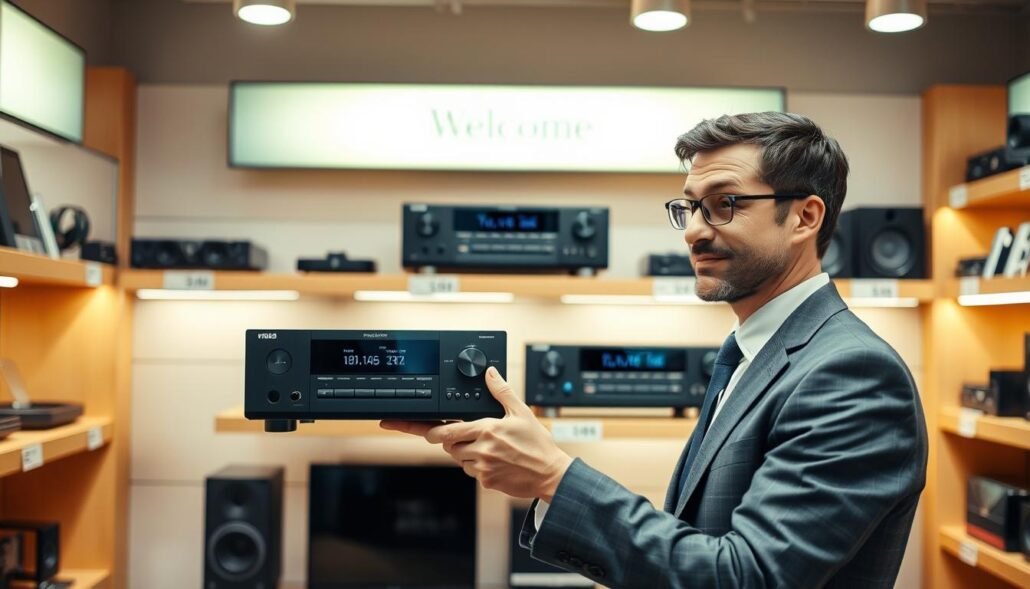
- Test fast: unbox, connect speakers, run calibration, and try multiple HDMI sources before the return deadline.
- Avoid: unclear grading, missing accessories, and “as is” descriptions.
- Choose: certified sellers when long-term experience and coverage matter most.
| Seller Type | Typical Savings | Common Warranty | Risk Level |
|---|---|---|---|
| Manufacturer-certified | 15–50% | 90 days to 1 year | Low |
| Major retailer / open-box | 15–30% | 30–90 days | Medium |
| Private seller / “as is” | 20–40%+ | Often none | High |
Where to Buy Refurbished Receivers in the U.S. Market
Where you shop matters as much as the model. Manufacturers and certified outlets often offer standardized testing, clear grading, and warranty-backed support. Examples include Sonos Refurbished, Bose Certified Refurbished, and brand outlets from Apple, Samsung, Dell, HP, and Lenovo.
Big retailers and marketplaces
Retailers like Amazon Renewed, Best Buy Outlet, Walmart Restored, and Newegg provide broad selection and easy returns. Success depends on clear grading, an honest refund policy, and seller ratings.
Refurb specialists
Back Market standardizes testing across sellers and includes a 30-day, no-cost return plus a one-year warranty. Other specialists such as KEH and Retrospekt offer different timelines and coverage, so compare warranty length and fees before buying.
Private sellers
eBay and Swappa can yield strong deals if the seller has solid feedback and testing notes. Local listings on Facebook Marketplace or Craigslist may offer low prices, but they carry more risk. Meet in public, test outputs and HDMI ports, and confirm included accessories before payment.
- Tip: prioritize outlets with a clear warranty and simple refund process to lower risk and protect your purchase.
What to Check Before You Purchase
A clear warranty and return policy protect your purchase more than a low price does.

Warranty length, coverage, and credit protections
Verify warranty details first. Aim for one year when possible; many listings offer 90-day coverage. Confirm parts and labor are included and whether extended coverage can be purchased.
Use a credit card for payment when possible. Credit protections and charge-back options add dispute leverage if the product arrives faulty.
Return policy basics
Read the return policy carefully. Note the days you have to evaluate the unit, refund terms, and who pays return shipping. Retail windows range widely—some sellers give 30 days, others 90.
Box contents and accessories
Confirm the box includes remote, power cord, FM/AM antennas, calibration mic, and manuals. Missing accessories can reduce value and complicate setup.
Condition grading and certification
Check photos and a clear grading scale for cosmetic condition. Inspect displays, knobs, binding posts, and HDMI ports on arrival.
Make sure the listing states factory certified or manufacturer-refurbished and verify this on the manufacturers’ site when possible.
| Check | Why it matters | How to verify |
|---|---|---|
| Warranty | Covers repairs, parts, labor | Read terms; ask about length and extensions |
| Return policy | Allows testing and refund | Note days, restocking fees, who ships back |
| Box & accessories | Ensures full setup and calibration | Match included items to the listing |
| Condition & grading | Signals prior damage or repairs | Request photos and serial numbers; inspect on arrival |
Is it a good idea to buy a used or refurbished receiver?
A certified refurb can deliver high-end features for far less than retail while keeping risk low when coverage is strong.
When buying refurbished is the smart deal
Choose refurbished when the manufacturer or an authorized dealer backs testing and warranties. Brands like Apple and Dell show how this works with clear grading and generous coverage.
You can often buy refurbished products, save money, and keep quality. Firmware updates and tested HDMI boards are usually included. That makes these devices a strong deal for midrange and premium gear.
When you should consider buying new instead
Buy new if you need the latest HDMI spec, multi-year support, or zero downtime for mission-critical installs. Short or unclear policy terms mean more risk.
Test any refurbished electronics immediately on arrival. Avoid “as is” listings and confirm returns. Warranties and policy clarity separate safe purchases from costly mistakes.
| Scenario | Best choice | Why |
|---|---|---|
| Manufacturer-backed sales | Buy refurbished | Testing, warranty, and returns reduce risk |
| Need latest features | Buy new | Longer support and newest specs |
| Short return window | Buy new | Less time to verify product condition |
| Premium model, lower price | Buy refurbished | Save money while keeping quality and warranty |
Conclusion
When shopping the refurb market, seller reputation and clear coverage matter more than the sticker price.
Choose sources that state warranty length and return policy clearly. Aim for listings offering at least 30 days of testing and a one year warranty when possible. That lowers the chance of a post-purchase problem and makes refund or repair simpler.
Keep packaging, document condition, and test devices immediately. Use credit for payment to gain added protections, and prefer manufacturer or certified sellers for smoother support.
With careful vetting, prompt testing, and clear policies, you can save money while avoiding lots of hassle when you buy refurbished electronics.