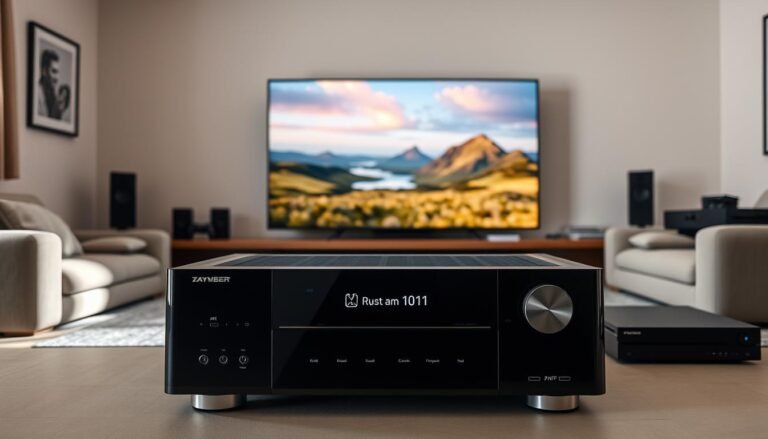
Troubleshooting: Why is there no sound coming from my speakers, even though the receiver is on?

Quick overview: If a powered receiver produces silence, this guide gives clear steps to isolate the issue. Start simple: check power at the wall, avoid switched outlets, and confirm each unit shows life.

Safety first: Power down before touching cables. Work methodically and test after each change with volume low.

Follow this path: verify the correct input and Speaker A/B output, try a known-good audio file or device, and inspect speaker wires and terminals for loose connections or reversed polarity. If a source works on another stereo, the fault narrows to either wiring or receiver settings.

What you will learn: simple checks for power and inputs, how to reseat cables safely, and quick ways to rule out bad files or devices. These steps save time and prevent unnecessary part swaps.

Quick safety and setup checks to restore sound fast

Start with simple, safe checks. Confirm wall outlets deliver power and that any wall switch controlling an outlet is set to ON. If a plug feels loose, reseat it and try a known-good outlet.

Power and connections

Make sure every component powers up: receiver, source devices, and any surge protectors. A half-seated plug or a switched outlet can cut power without warning.

Volume, mute, and source control

Check front-panel and app controls for mute, input selection, and Speaker A/B settings. Set volume low, then unmute before testing to avoid loud surprises.

Test with known-good media

Play a different track or switch inputs. If a new file or device works, the issue likely lies with the original source or app.

Check What to do Why it matters
Outlet power Try a known-good, unswitched outlet Eliminates intermittent or switched power loss
Cords and cables Reseat power cords, RCA/optical cable, and speaker leads Fixes oxidation, loose fits, and partial connections
Speaker wires Inspect stripped ends, polarity, and stray strands Prevents shorting and restores reliable contact
New setups Confirm factory defaults and speaker outputs Ensures brand new equipment uses correct wiring and settings

Why is there no sound coming from my speakers, even though the receiver is on?

Start diagnostics at the speaker terminals and work back toward each source. Inspect each speaker wire for correct polarity: red-to-red, black-to-black. Make sure stripped ends are long enough for a solid grip and that no stray strands touch other posts.
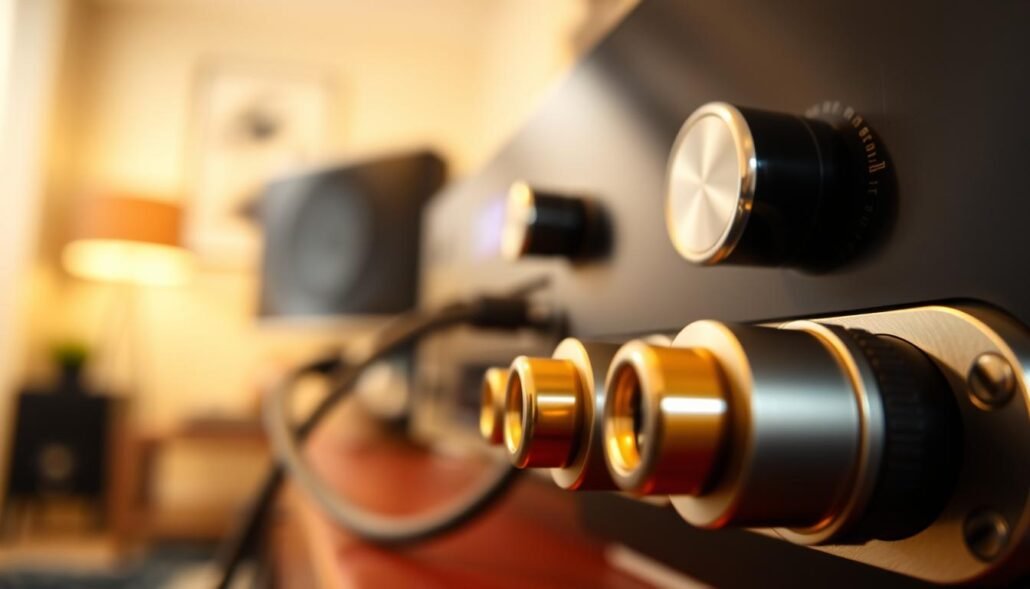
speaker terminals

Review the receiver outputs. Verify Speaker A/B and Zone routing are set for the zone you use. Confirm the selected input shows activity on the display.

  • Swap suspect cables: replace RCA, optical, or HDMI with a known-good cable.
  • Test each speaker and each device on a working stereo or TV to isolate the faulty component.
  • Power down before moving wires, keep volume low, and retest after each change.
Check Action Result if OK
Speaker terminals Verify polarity, stripped length, tight posts Speakers receive proper amp signal
Receiver outputs Enable correct zone, disable headphone routing Output directed to speakers
Interconnects Reseat or replace RCA/optical/HDMI Restores signal path to receiver
Sources Test on another system Identifies faulty device or cables

If all swaps still fail, the receiver set may need service. For a full setup checklist, consult our home theater setup guide.

Device and system settings that commonly mute audio

Check platform audio controls first. On many PCs and Macs, a misselected output or a driver conflict hides playback even when devices show activity.
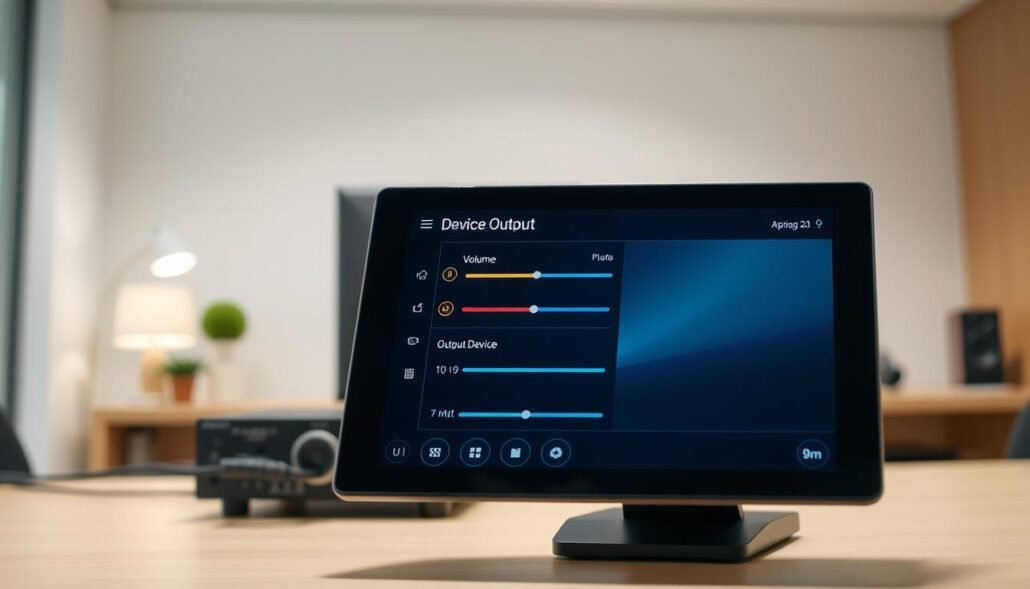
device output settings

Windows steps

Right-click the volume icon, open Sound Settings, and pick the correct Output device. Run the built-in troubleshooter to detect and fix common audio routing issues.

In Device Manager, roll back or uninstall the audio driver if a recent update broke playback. For best stability, install the manufacturer driver for your exact model and update BIOS and chipset drivers when prompted.

Mac steps

Open System Settings > Sound > Output and choose built-in, display, or USB speakers. Raise Output volume and confirm Mute is off.

For USB devices, check System Information under USB to see the device listed. Reseat the cable or try another port if it does not appear.

Digital receiver setups

Select Digital Output on the computer, connect an optical cable to a digital-capable receiver input, and set the receiver to that input. Adjust listening level with the receiver’s volume control because computer volume often does not affect digital outputs.

  • Quick checks: reselect receiver input, disable headphone routing or Zone switches, then retest with a known-good track.
  • If driver or system fixes fail, perform a Clean Boot, run SFC/DISM, or use a repair upgrade as a last resort.

For a brand comparison and extra setup notes that help pick correct inputs on many models, see our Marantz vs Denon comparison.

Conclusion

Wrap up checks with a short, methodical sweep of power, receiver input, and speaker wiring. Make sure wall outlets deliver steady power and that your chosen input and speaker outputs match the source device.

Inspect each speaker wire at both ends. Verify polarity, remove stray strands, and reseat or replace any suspect cables. For a brand new install, review factory defaults so outputs and modes suit your speaker layout.

Test every speaker and source on a known-good stereo to isolate faults. Check OS output and driver settings, set digital output to the receiver, and keep volume low when you power up after changes.

If problems persist, note what you tried and the model of each device, then consider professional service for the component that still fails. A calm, stepwise approach often restores home systems without replacing gear.
FAQ

Troubleshooting: Why is there no sound coming from my speakers, even though the receiver is on?

Start with power and connections. Verify the receiver, amplifier, and speakers have power lights on and are plugged into a live outlet. Confirm speaker wires are firmly seated at both the receiver and speaker terminals, with no stray strands causing shorts. Check the receiver’s input selector and ensure the correct source is chosen. Try a different input device or a phone to rule out a single faulty source.

Quick safety and setup checks to restore sound fast — what should I inspect first?

Ensure every component and wall outlet is live. Avoid switched wall sockets that may cut power when a light is off. Confirm the receiver’s main power switch is set to On and any standby mode is disabled. Use a tested power strip or plug directly into the wall. Replace or test worn power cords and test the outlet with another device. (adsbygoogle = window.adsbygoogle || []).push({});

How do volume, mute, and source controls affect audio output?

Check the front and remote volume, and be sure mute is off. Many modern receivers also have app-based controls—open the app and confirm the volume and source match the physical controls. Some models include speaker A/B or zone settings that can route audio away from your speakers; set them correctly. Start at low volume and increase to avoid damage.

What simple playback tests help identify the problem?

Play multiple known-good audio files and try different inputs: CD, Bluetooth, phone, or TV. If Bluetooth plays but optical doesn’t, the issue is likely the digital input or cable. Swap to another cable or use a different source to isolate the fault. If speakers remain silent on all inputs, investigate wiring or receiver outputs.

How do I inspect speaker wires and terminals properly?

Power down first. Check that wires are stripped to the proper length, with no frayed strands touching other terminals. Observe correct polarity: red/positive to red, black/negative to black. Tighten binding posts or spring clips and reinsert the bare wire or banana plug solidly. Replace suspect speaker wire if damage or corrosion appears.

What about Speaker A/B switches, output controls, and zone settings?

Verify Speaker A or B is enabled if your receiver supports multiple speaker sets. Disable unused zones or multi-room outputs that may mute the main zone. Some receivers mute the main outputs when headphones are plugged in—unplug headphones to restore speaker audio. Check manual for model-specific routing options. (adsbygoogle = window.adsbygoogle || []).push({});

How can I test speakers and source components on a known-working system?

Temporarily connect the speaker pair to a different amplifier or powered speaker output that you know works. Connect the source (phone, CD player) directly to another speaker or powered speaker. If speakers work elsewhere, the receiver likely has a fault. If sources play through other speakers, suspect speaker or wiring issues.

When should I swap or reseat audio cables between components and the receiver?

Swap cables when you suspect a bad RCA, coax, optical, or HDMI lead. Reseat every cable to ensure clean contact. Replace inexpensive or visibly damaged cables with known-good ones. For optical and HDMI, inspect connectors for dust and ensure they click into place.

How do I isolate whether an input device or the stereo is at fault?

Test each input device one at a time while keeping the same cables and speakers. If one device works and others don’t, the issue is the source. If none work, focus on the receiver and wiring. Use a multimeter to check speaker output voltage at the receiver terminals when playing audio; zero volts suggests an internal receiver fault.

What Windows steps help when the PC is connected to the receiver but audio is silent?

On Windows, open the sound control panel and select the correct output device (HDMI, USB DAC, or optical). Ensure the device isn’t muted and the volume is up. Run the built-in troubleshooter, and update or roll back audio drivers via Device Manager if needed. Restart the PC after changes. (adsbygoogle = window.adsbygoogle || []).push({});

What macOS checks should I run for a connected receiver setup?

In System Preferences > Sound, choose the correct Output device and confirm volume and mute settings. If using USB audio, check System Information to see the device recognized. Try toggling the output and unplugging/replugging the cable. Restart the Mac if settings won’t apply.

How do digital receiver setups (optical/coax/HDMI) affect sound delivery?

Ensure the receiver is set to the correct digital input and that your source sends a compatible audio format. Some TVs or players output Dolby Digital only on certain ports or require changing audio output to PCM. Check the receiver’s digital input assignment and disable passthrough options that may reroute audio.

When is a receiver likely defective and needs service?

If you’ve confirmed power, correct input selection, good speaker connections, and known-good sources and cables, yet no speaker output occurs, the receiver may have failed output stages or blown protection circuits. Signs include unusual smells, clicking relays, or visible damage. Contact Yamaha, Denon, Onkyo, or your receiver brand support for repair or inspection.

What quick items should I keep in a troubleshooting kit for audio problems?

Keep spare RCA, optical, and HDMI cables, a small multimeter, a basic screwdriver, spare speaker wire, and a power strip. Also have a phone with Bluetooth ready to test wireless inputs. These tools speed diagnosis and help you quickly swap components to isolate faults. (adsbygoogle = window.adsbygoogle || []).push({});